

International Air Freight
We are your experts in international air freight, specializing in time-efficient logistics solutions. As an international freight forwarder, we are here to support you with all your air freight needs.
Exploring Global Trade in the Sky: A Closer Look at International Air Freight
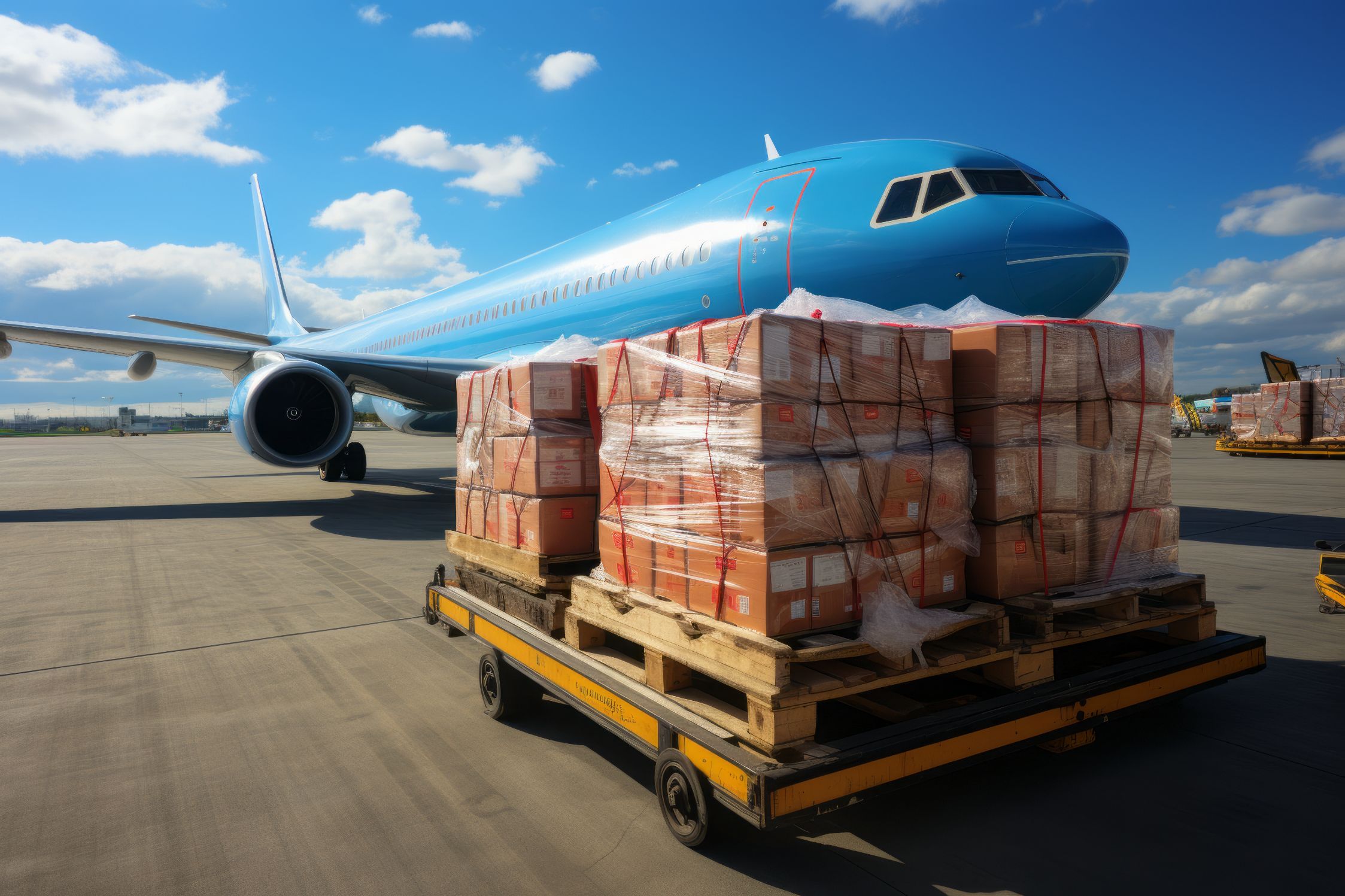
In the world we live in today, where everything is connected, making sure things can move smoothly across different countries is incredibly important for the whole world’s business. At the center of this complicated process is something called international air freight – it’s like a powerful engine that helps businesses send things fast and in a trustworthy way to meet what their customers need. This detailed guide is here to take you deep into the world of international air freight. We’re going to explore all the little details, good things, difficulties, and the important people involved in this process.
Grasping the Intricacies of International Air Freight Operations
At its core, the concept of international air freight involves the intricate process of transporting a diverse array of goods via aircraft across international borders. This dynamic practice spans an extensive range of commodities, encompassing everything from time-sensitive items like fresh produce and essential medical supplies to high-value, sought-after goods such as cutting-edge electronics and luxurious products that inspire desire. The primary objective of international air freight goes beyond the mere movement of items; it is about ensuring rapid and dependable transportation of goods across vast geographical distances, transcending the challenges posed by both natural and man-made barriers. This method of trade transcends the limits of time, bridging the gaps between distant locations with swiftness and efficiency.
The Significance of Air Freight Services in the Logistics Puzzle
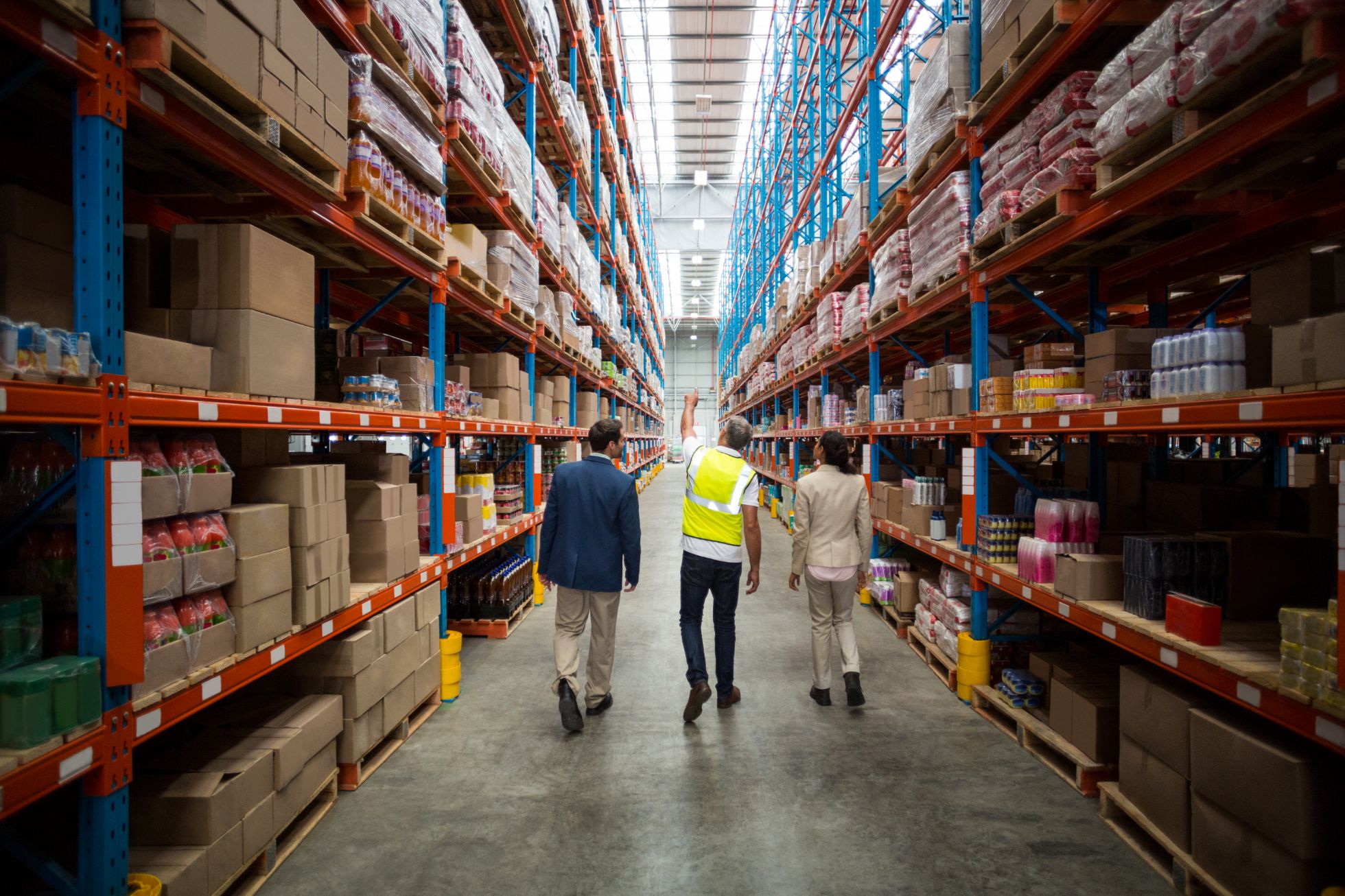
At the heart of this intricate logistical symphony lie air freight services, an indispensable cornerstone that ensures the seamless movement of goods. These services are the result of collaborative efforts among airlines, dedicated cargo carriers, and specialized freight forwarders. Airlines, whether they’re carrying passengers or focusing solely on cargo, set aside a portion of their aircraft’s capacity for transporting goods. On the other hand, freight forwarders act as the conductors of this complex orchestra, overseeing the entire journey.
Freight forwarders serve as intermediaries, skillfully handling various aspects of the transportation process. Their role encompasses an array of tasks, including reserving space for cargo, managing all-important documentation, expertly navigating the intricacies of customs clearance, and orchestrating the final steps of delivery to the destination. In essence, air freight services emerge as the glue that binds various components together, ensuring that the goods navigate their journey with precision and efficiency.
Comparing International Air Freight to Alternative Transportation Modes

The preference for international air freight arises from numerous benefits it offers in comparison to other transportation alternatives, rendering it an indispensable choice for specific types of goods and time-sensitive shipments. Among these advantages, speed stands out as a prominent feature. Air cargo has the remarkable ability to cover vast distances within a mere matter of hours, a capability that other modes of transportation, such as sea and road, simply cannot match, often requiring weeks or even months for the same journey. This incredible pace holds particular significance for items that are perishable or have a limited shelf life.
Furthermore, international air freight excels in its capacity to rapidly bridge the gaps between distant regions. This capability proves to be particularly vital in the intricate global trade networks, where goods are sourced from diverse corners of the world to satisfy the ever-evolving demands of consumers. In contrast, ocean and land-based transportation grapple with geographical limitations and infrastructure constraints, which can substantially extend the duration of the transportation process.
Unveiling the Intricacies of Logistics and the Role of Freight Forwarding
Beneath the surface of international air freight, there’s an intricate web of logistics and freight forwarding strategies at play. Among these strategies, freight forwarders take center stage as key players in ensuring the flawless movement of goods across borders. These skilled intermediaries handle a wide array of tasks, encompassing everything from booking cargo space to getting all the necessary documents ready, managing the complexities of customs clearance, and even coordinating the final steps of delivery. The exceptional efficiency of these well-coordinated actions ensures a seamless journey for goods, ensuring they travel smoothly from their starting point, often the manufacturer, all the way to their ultimate destination—the eager consumer.
Benefits of Using International Air Freight
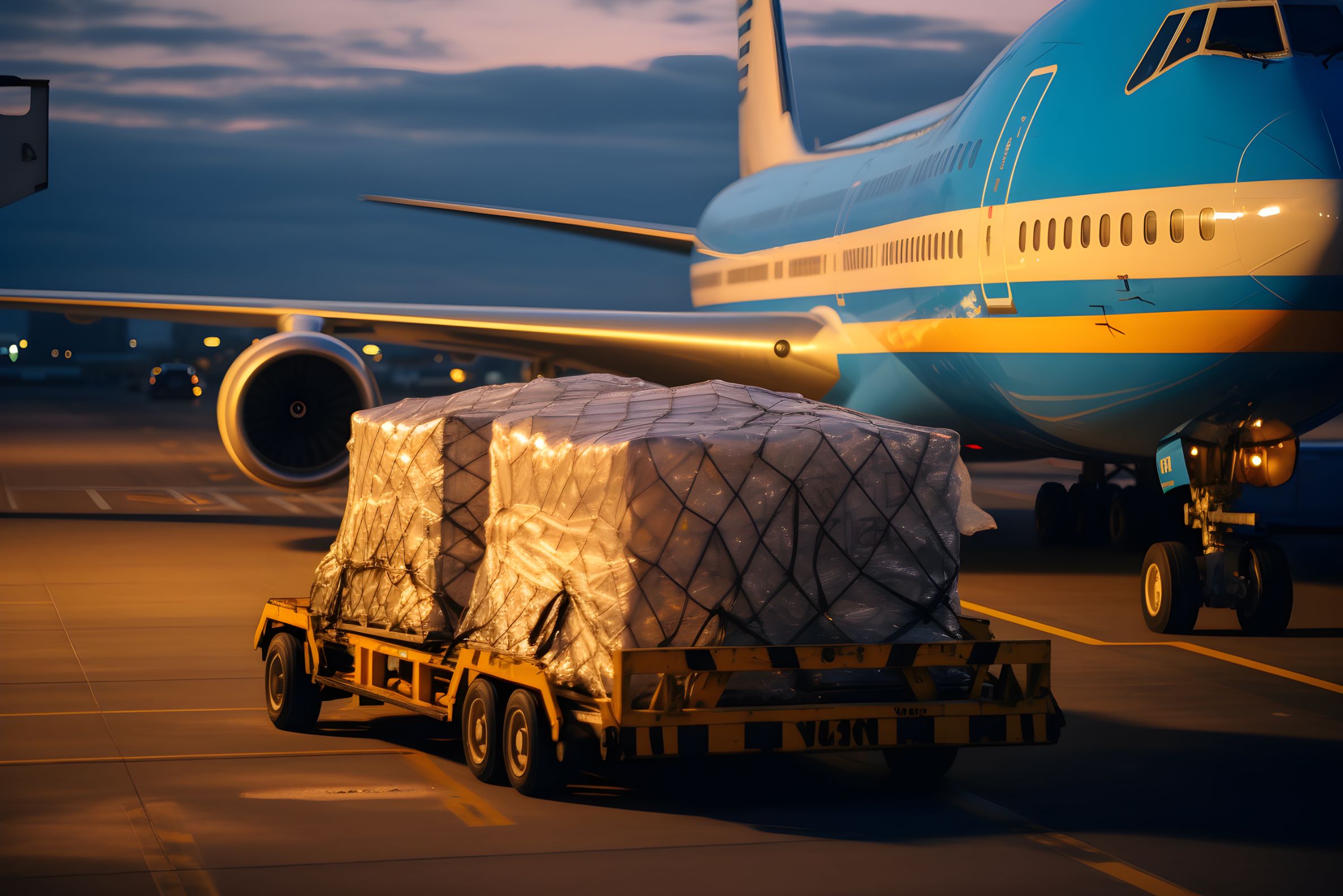
Velocity and Time Sensitivity: As highlighted earlier, the standout feature of international air freight is its rapidity. This characteristic makes it an unmatched choice for delivering time-sensitive goods across the globe. Perishable items like fresh produce and pharmaceuticals reap substantial benefits from this quick transit.
Dependability: International air freight is renowned for meeting delivery deadlines reliably. Airlines adhere to stringent schedules, minimizing the risk of delays caused by external factors such as weather or port congestion, which can severely affect ocean freight.
Global Interconnectedness: The expansive network of airports worldwide empowers air cargo to reach even the remotest locales promptly. This interconnectedness enhances trade opportunities and fuels economic growth on a global scale.
Trimmed Inventory Costs: The prompt delivery of goods via air freight helps reduce inventory carrying costs. Businesses can maintain leaner inventory levels since they can replenish stocks more frequently without fretting over extended transit times.
High-Value Commodities: Goods of substantial value or with high demand-supply ratios, such as electronics and luxury items, gain from the security and speed inherent in air freight.
Conclusion
International air freight emerges as a vibrant and essential element within the intricate framework of worldwide commerce. Its exceptional ability to swiftly span vast geographical distances, combined with its instrumental role in facilitating the delivery of time-sensitive shipments, establishes it as an invaluable asset for both businesses and consumers. As our world becomes increasingly interconnected and the dynamics of global trade continue to evolve, the air cargo sector is poised to adapt, addressing challenges and capitalizing on opportunities through innovation and collaborative endeavors. Despite persistent challenges such as cost considerations and environmental impact, the ongoing pursuit of sustainability and technological advancement ushers in a promising future for the realm of international air freight. This ensures that goods will not only continue to traverse the skies of global trade but will do so with heightened efficiency and a strong commitment to environmental responsibility, underpinning a future where international air freight plays a pivotal role in the movement of goods across the world.